Yeni
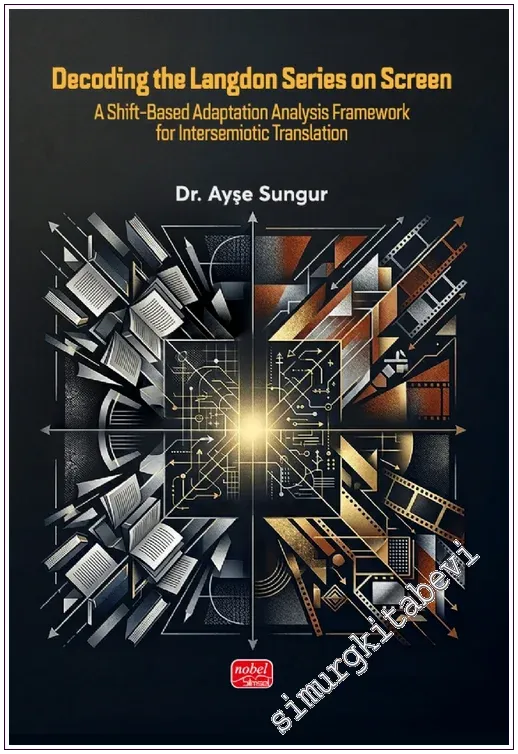
#smrgKİTABEVİ Decoding The Langdon Series On Screen - A Shift-Based Adaptation Analysis Framework for Intersemiotic Translation - 2026
Editör:
Kondisyon:
Yeni
Sunuş / Önsöz / Sonsöz / Giriş:
Basıldığı Matbaa:
Dizi Adı:
ISBN-10:
Hazırlayan:
Cilt:
Amerikan Cilt
Ciltçi:
Boyut:
16x24
Sayfa Sayısı:
294
Basım Yeri:
Ankara
Baskı:
1
Basım Tarihi:
2026
Kapak Türü:
Karton Kapak
Kağıt Türü:
Enso Kâğıt
Dili:
İngilizce
Kategori:
indirimli
356,00
Havale/EFT ile:
348,88
Temin süresi 4&6 gündür.
1199271073
659298
https://www.simurgkitabevi.com/decoding-the-langdon-series-on-screen-a-shift-based-adaptation-analysis-framework-for-intersemiotic-translation-2026
Decoding The Langdon Series On Screen - A Shift-Based Adaptation Analysis Framework for Intersemiotic Translation - 2026 #smrgKİTABEVİ
356
How can the transition from page to screen be systematically analysed? For decades, adaptation analysis has often been limited to the narrow debate of “fidelity.”
This book addresses this limitation by positioning film adaptation clearly within the field of Translation Studies. Through a detailed intersemiotic translation analysis of the film adaptations of Dan Brown's Robert Langdon series, this study introduces the Shift-Based Adaptation Framework (SHAF). Defining the alterations the book undergoes on screen as “shifts,” the SHAF model moves beyond mere quantitative tracking to categorise these changes into surface-level Peripheral Shifts and core Structural Shifts. It shifts the analytical focus from questioning how much was changed to exploring how and at what narrative cost the transformation took place.
By viewing adaptation as a dynamic process of intersemiotic translation, this work aims to enhance the theoretical framework of Translation Studies, providing a systematic guide for scholars and researchers analysing the complex transition from text to moving images.
Yorum yaz
Bu kitabı henüz kimse eleştirmemiş.