#smrgKİTABEVİ Decolonizing the Imagination of a Nation - 2026
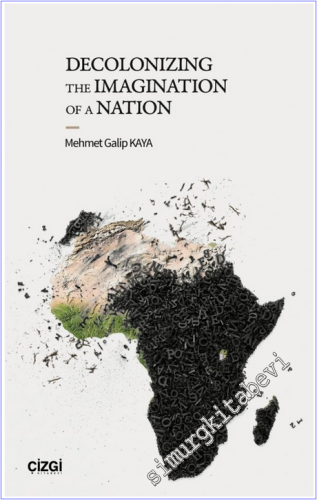
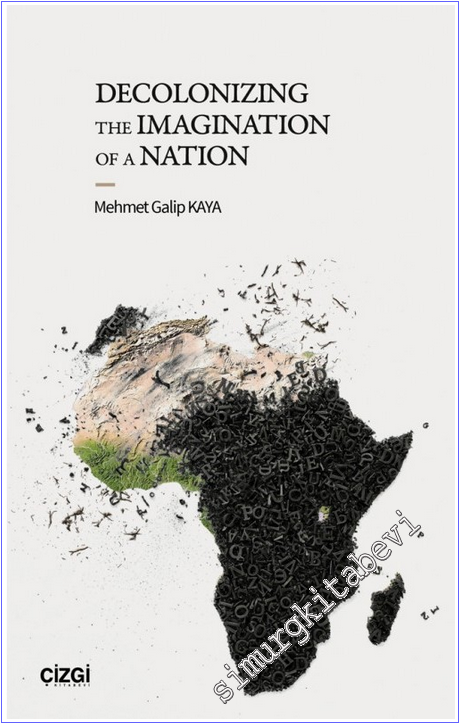
Through a detailed analysis of colonial history, racism, neocolonial power structures, and the cultural politics of language and education, this book foregrounds Ngugi's insistence that true liberation must begin with the recovery of indigenous languages and cultural forms. Kaya demonstrates how literature functions as both a site of resistance and a pedagogical force, capable of reshaping national identity and challenging Eurocentric epistemologies.
Drawing on Ngugi's major nonfiction works as well as key moments in Kenyan history, the book traces the enduring impact of colonial domination on African societies and highlights the continued relevance of cultural decolonization in a globalized world. By presenting Ngugi's vision with clarity and critical depth, Decolonizing the Imagination of a Nation contributes meaningfully to contemporary debates on imperialism, cultural sovereignty, and intellectual autonomy.
This book will be of interest to scholars and students of postcolonial studies, African literature, cultural studies, and political thought, as well as to readers concerned with the intersections of language, power, and resistance.
Through a detailed analysis of colonial history, racism, neocolonial power structures, and the cultural politics of language and education, this book foregrounds Ngugi's insistence that true liberation must begin with the recovery of indigenous languages and cultural forms. Kaya demonstrates how literature functions as both a site of resistance and a pedagogical force, capable of reshaping national identity and challenging Eurocentric epistemologies.
Drawing on Ngugi's major nonfiction works as well as key moments in Kenyan history, the book traces the enduring impact of colonial domination on African societies and highlights the continued relevance of cultural decolonization in a globalized world. By presenting Ngugi's vision with clarity and critical depth, Decolonizing the Imagination of a Nation contributes meaningfully to contemporary debates on imperialism, cultural sovereignty, and intellectual autonomy.
This book will be of interest to scholars and students of postcolonial studies, African literature, cultural studies, and political thought, as well as to readers concerned with the intersections of language, power, and resistance.