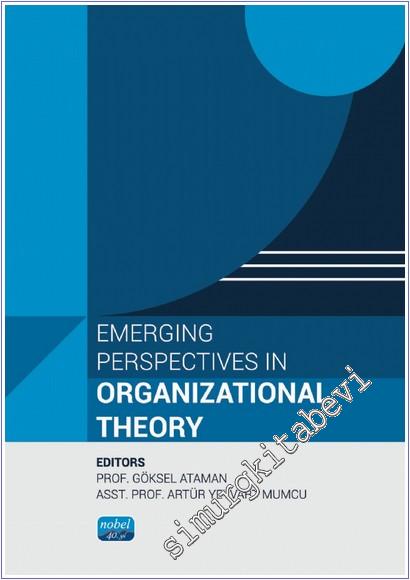
#smrgKİTABEVİ Emerging Perspectives in Organizational Theory - 2025
Editör:
Göksel Ataman, Artür Vetvart Mumcu
Kondisyon:
Yeni
Sunuş / Önsöz / Sonsöz / Giriş:
Basıldığı Matbaa:
Dizi Adı:
ISBN-10:
Kargoya Teslim Süresi (İş Günü):
3&7
Hazırlayan:
Cilt:
Amerikan Cilt
Ciltçi:
Boyut:
16x24
Sayfa Sayısı:
478
Basım Yeri:
Ankara
Baskı:
1
Basım Tarihi:
2025
Kapak Türü:
Karton Kapak
Kağıt Türü:
Enso
Dili:
İngilizce
Kategori:
indirimli
448,00
Havale/EFT ile:
439,04
Temin süresi 4&5 gündür.
1199249783
636776
https://www.simurgkitabevi.com/emerging-perspectives-in-organizational-theory-2025
Emerging Perspectives in Organizational Theory - 2025 #smrgKİTABEVİ
448
YAZARLAR Artur Yetvart Mumcu, Ata Özdemirci, Bekir Alper Yıldırım, Çiğdem Kaya, Deniz Boru, Ece Zeybek Yılmaz, Göksel Ataman, Hakkı Okan Yeloğlu, Hava Yaşbay Kobal, Hazal Duman Alptekin, Hızır Konuk, Kübra Şimşek, Murat Kasımoğlu, Nilgün Karataş Gümüştaş, Olcay Bige Aşkun, Orkun Demirbağ, Seçil Taştan, Sevcan Pınar, Sevil Akyürek, Uğur Yozgat, Umut Koç, Yusuf Avcı
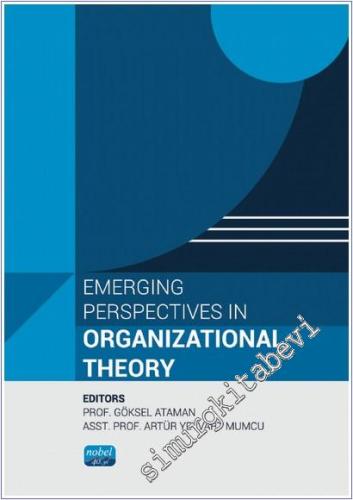
Organizational theories are building blocks based on scientific facts that help us understand and perceive the role of organizations in our lives. These theories, which need long efforts and large scientific researches to develop in epistemological and ontological contexts and to be satisfied in systems, continue to be dynamic. These theories, which are units and levels of analysis, are "organizers", and are affected by direct or indirect changes in the environment, and need continuous development and self-improvement. In this book, designed to trace such development and give readers a broader perspective, starting from the basic assumptions and arguments of the theories, a chronological review has been carried out in line with the developments in the last 10 years. Concepts defining events and situations affecting organizations in the recent period have been determined within the scope of different organizational theories and tried to contribute to the relevant literature. Based on the importance of individuals, organizations formed by individuals, and even communities formed by organizations, the importance of continuous and systematic implementation of organizational theory work is still important. It is expected that this book, which serves this purpose and is supported by relevant case studies, will contribute to the field.
Organizational theories are building blocks based on scientific facts that help us understand and perceive the role of organizations in our lives. These theories, which need long efforts and large scientific researches to develop in epistemological and ontological contexts and to be satisfied in systems, continue to be dynamic. These theories, which are units and levels of analysis, are "organizers", and are affected by direct or indirect changes in the environment, and need continuous development and self-improvement. In this book, designed to trace such development and give readers a broader perspective, starting from the basic assumptions and arguments of the theories, a chronological review has been carried out in line with the developments in the last 10 years. Concepts defining events and situations affecting organizations in the recent period have been determined within the scope of different organizational theories and tried to contribute to the relevant literature. Based on the importance of individuals, organizations formed by individuals, and even communities formed by organizations, the importance of continuous and systematic implementation of organizational theory work is still important. It is expected that this book, which serves this purpose and is supported by relevant case studies, will contribute to the field.
YAZARLAR Artur Yetvart Mumcu, Ata Özdemirci, Bekir Alper Yıldırım, Çiğdem Kaya, Deniz Boru, Ece Zeybek Yılmaz, Göksel Ataman, Hakkı Okan Yeloğlu, Hava Yaşbay Kobal, Hazal Duman Alptekin, Hızır Konuk, Kübra Şimşek, Murat Kasımoğlu, Nilgün Karataş Gümüştaş, Olcay Bige Aşkun, Orkun Demirbağ, Seçil Taştan, Sevcan Pınar, Sevil Akyürek, Uğur Yozgat, Umut Koç, Yusuf Avcı
Organizational theories are building blocks based on scientific facts that help us understand and perceive the role of organizations in our lives. These theories, which need long efforts and large scientific researches to develop in epistemological and ontological contexts and to be satisfied in systems, continue to be dynamic. These theories, which are units and levels of analysis, are "organizers", and are affected by direct or indirect changes in the environment, and need continuous development and self-improvement. In this book, designed to trace such development and give readers a broader perspective, starting from the basic assumptions and arguments of the theories, a chronological review has been carried out in line with the developments in the last 10 years. Concepts defining events and situations affecting organizations in the recent period have been determined within the scope of different organizational theories and tried to contribute to the relevant literature. Based on the importance of individuals, organizations formed by individuals, and even communities formed by organizations, the importance of continuous and systematic implementation of organizational theory work is still important. It is expected that this book, which serves this purpose and is supported by relevant case studies, will contribute to the field.
Organizational theories are building blocks based on scientific facts that help us understand and perceive the role of organizations in our lives. These theories, which need long efforts and large scientific researches to develop in epistemological and ontological contexts and to be satisfied in systems, continue to be dynamic. These theories, which are units and levels of analysis, are "organizers", and are affected by direct or indirect changes in the environment, and need continuous development and self-improvement. In this book, designed to trace such development and give readers a broader perspective, starting from the basic assumptions and arguments of the theories, a chronological review has been carried out in line with the developments in the last 10 years. Concepts defining events and situations affecting organizations in the recent period have been determined within the scope of different organizational theories and tried to contribute to the relevant literature. Based on the importance of individuals, organizations formed by individuals, and even communities formed by organizations, the importance of continuous and systematic implementation of organizational theory work is still important. It is expected that this book, which serves this purpose and is supported by relevant case studies, will contribute to the field.
Yorum yaz
Bu kitabı henüz kimse eleştirmemiş.