Arama için en az 3 karakter girmelisiniz.
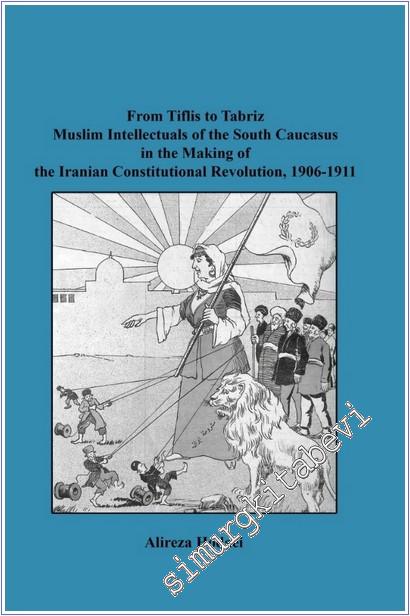
#smrgKİTABEVİ From Tiflis to Tabriz Muslim Intellectuals of the South Caucasus in the Making of the Iranian Constitutional Revolution (1906-1911) - 2024
Editör:
Kondisyon:
Yeni
Sunuş / Önsöz / Sonsöz / Giriş:
Basıldığı Matbaa:
ISBN-10:
6256139695
Kargoya Teslim Süresi (İş Günü):
3&7
Hazırlayan:
Cilt:
Amerikan Cilt
Ciltçi:
Boyut:
16x24
Sayfa Sayısı:
236
Basım Yeri:
Çanakkale
Baskı:
1
Basım Tarihi:
2024
Kapak Türü:
Karton Kapak
Kağıt Türü:
Enso
Dili:
İngilizce
Kategori:
indirimli
308,00
Havale/EFT ile:
301,84
Siparişiniz 4&5 iş günü arasında kargoda
1199246796
633943
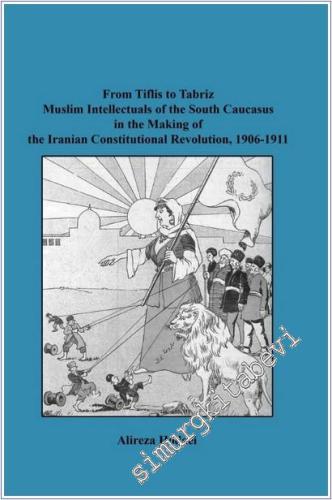
https://www.simurgkitabevi.com/from-tiflis-to-tabriz-muslim-intellectuals-of-the-south-caucasus-in-the-making-of-the-iranian-constitutional-revolution-1906-1911-2024
From Tiflis to Tabriz Muslim Intellectuals of the South Caucasus in the Making of the Iranian Constitutional Revolution (1906-1911) - 2024 #smrgKİTABEVİ
308
This book uncovers the neglected yet vital role of Caucasian Muslim intellectuals in shaping the Iranian Constitutional Revolution of 1906-1911. Challenging the prevailing view of the revolution as a nationally confined episode, it situates this transformative event within a broader trans-border and imperial context. By tracing the lives and works of Muhammad Amin Rasulzada, Jalil Mu?ammad Quluzada, and Mirz? 'Ali Akbar Şabir, the book introduces the concept of "Borderland Intellectuals"-figures who moved between languages, empires, and ideologies, transmitting reformist ideas through print culture, satire, and political cartoon. Drawing on sources in multiple languages and overlooked archives, the study demonstrates how these intellectuals helped connect the Iranian struggle to parallel movements in the Ottoman Empire and Tsarist Russia, reshaping the intellectual geography of the Muslim world.
This book uncovers the neglected yet vital role of Caucasian Muslim intellectuals in shaping the Iranian Constitutional Revolution of 1906-1911. Challenging the prevailing view of the revolution as a nationally confined episode, it situates this transformative event within a broader trans-border and imperial context. By tracing the lives and works of Muhammad Amin Rasulzada, Jalil Mu?ammad Quluzada, and Mirz? 'Ali Akbar Şabir, the book introduces the concept of "Borderland Intellectuals"-figures who moved between languages, empires, and ideologies, transmitting reformist ideas through print culture, satire, and political cartoon. Drawing on sources in multiple languages and overlooked archives, the study demonstrates how these intellectuals helped connect the Iranian struggle to parallel movements in the Ottoman Empire and Tsarist Russia, reshaping the intellectual geography of the Muslim world.
Yorum yaz
Bu kitabı henüz kimse eleştirmemiş.