#smrgKİTABEVİ Sensory Studies in Russian Linguistics - 2025
Editör:
Kondisyon:
Yeni
Sunuş / Önsöz / Sonsöz / Giriş:
Basıldığı Matbaa:
Dizi Adı:
ISBN-10:
Hazırlayan:
Cilt:
Amerikan Cilt
Ciltçi:
Boyut:
16x24
Sayfa Sayısı:
333
Basım Yeri:
Çanakkale
Baskı:
1
Basım Tarihi:
2025
Kapak Türü:
Karton Kapak
Kağıt Türü:
Enso
Dili:
İngilizce
Kategori:
indirimli
255,20
Havale/EFT ile:
250,10
Siparişiniz 4&6 iş günü arasında kargoda
1199251691
638705
https://www.simurgkitabevi.com/sensory-studies-in-russian-linguistics-2025
Sensory Studies in Russian Linguistics - 2025 #smrgKİTABEVİ
255.2
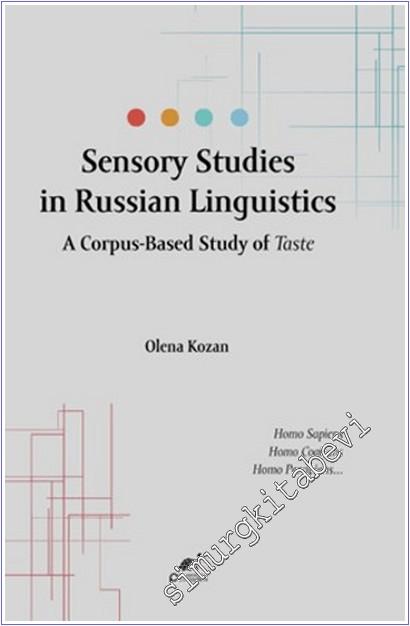
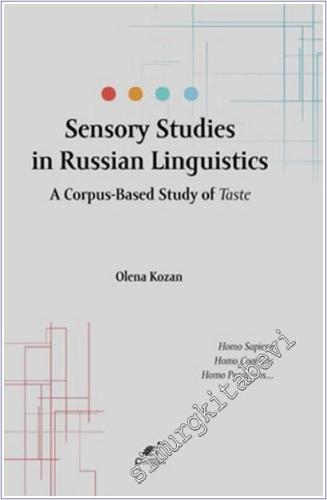
What does it mean to be human? We have been called Homo sapiens (the wise human), Homo loquens (the speaking human), and Homo percipiens (the perceiving human). The last term highlights that perception through the senses connects us to the physical world. But it is language that encodes our sensory experience. Sensory linguistics is the field that examines how these experiences are captured and developed through words. This book explores sensory studies in Russian linguistics, mapping key concepts and presenting a roadmap of research trends. Its empirical part draws on the Russian National Corpus to analyze the taste adjectives, showing how they extend beyond food-related meanings to express emotions, relationships, and cultural values. The study offers insights for cross-linguistic comparison, translation studies, and cultural analysis. In the Turkish academic context, it provides the first systematic introduction to Russian sensory linguistics and demonstrates how a corpus-based approach can be applied in sensory studies.
What does it mean to be human? We have been called Homo sapiens (the wise human), Homo loquens (the speaking human), and Homo percipiens (the perceiving human). The last term highlights that perception through the senses connects us to the physical world. But it is language that encodes our sensory experience. Sensory linguistics is the field that examines how these experiences are captured and developed through words. This book explores sensory studies in Russian linguistics, mapping key concepts and presenting a roadmap of research trends. Its empirical part draws on the Russian National Corpus to analyze the taste adjectives, showing how they extend beyond food-related meanings to express emotions, relationships, and cultural values. The study offers insights for cross-linguistic comparison, translation studies, and cultural analysis. In the Turkish academic context, it provides the first systematic introduction to Russian sensory linguistics and demonstrates how a corpus-based approach can be applied in sensory studies.
Yorum yaz
Bu kitabı henüz kimse eleştirmemiş.
-
-
Yeni
 Satıldı