Yeni
#smrgKİTABEVİ Sustainability in the Chemical Industry -
Editör:
Kondisyon:
Yeni
Sunuş / Önsöz / Sonsöz / Giriş:
Basıldığı Matbaa:
Dizi Adı:
ISBN-10:
Hazırlayan:
Cilt:
Amerikan Cilt
Boyut:
16x24
Sayfa Sayısı:
788
Basım Yeri:
Ankara
Baskı:
1
Basım Tarihi:
2026
Kapak Türü:
Karton Kapak
Kağıt Türü:
Enso Kâğıt
Dili:
İngilizce
Kategori:
indirimli
680,00
Havale/EFT ile:
666,40
1199268811
656988
https://www.simurgkitabevi.com/sustainability-in-the-chemical-industry
Sustainability in the Chemical Industry - #smrgKİTABEVİ
680
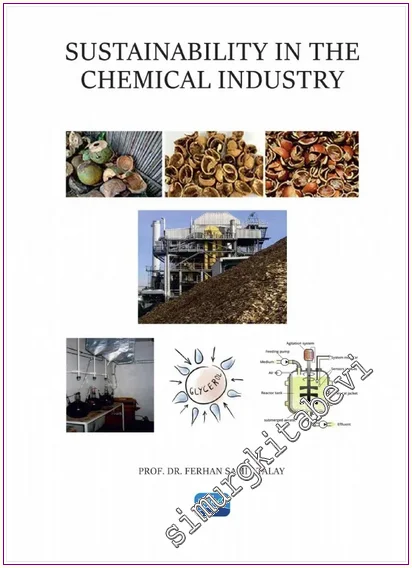
Sustainability represents the continuity of life. While ensuring the ongoing availability of production and biodiversity, it is essential to meet the needs of future generations without compromising environmental integrity. Sustainable development, encompassing green technologies and environmentally responsible supply chains, constitutes a core pillar of sustainability. The widespread adoption of such practices by institutions and governments contributes to reducing greenhouse gas emissions and fossil fuel dependency, ultimately enhancing the quality of life for individuals and communities.Preservation of natural resources and ecosystems must be balanced with the sustainable provision of fundamental human needs, including food, transport, and clothing. Therefore, sectors such as agriculture, energy, and chemical manufacturing must adopt environmentally sound and sustainable practices.The chemical industry, as a key enabler of industrial development, must itself evolve toward sustainability. It serves a foundational role by converting a wide array of raw materials into essential products across numerous sectors. Transitioning toward a sustainable chemical industry requires the implementation of innovative technologies that utilize renewable feedstocks and the integration of these approaches into existing industrial infrastructures. Furthermore, the development of new production routes that utilize carbon dioxide as a feedstock can significantly contribute to climate change mitigation.Biomass, derived from agricultural residues, municipal waste, the food industry, and dairy operations, offers a versatile and renewable resource for the production of energy and chemicals. From such biomass, various bio¬based products including biofuels, biopolymers, biopesticides, biofertilizers, and biosurfactants can be synthesized.The transition from fossil-based feedstocks to bio-based alternatives, such as algae and lignocellulosic biomass, is critical to the decarbonization of the chemical sector. These renewable resources not only reduce reliance on finite fossil reserves but also offer a lower carbon footprint.This book investigates the transformative role of bio-based products in accelerating the transition to a more sustainable chemical industry. It provides a comprehensive assessment of the current status of bio-based chemical production, outlining their environmental and economic advantages and showcasing a diverse range of industrial applications. Key platform chemicals such as glycerol (a biodiesel byproduct), ethanol (obtained biomass fermentation), and methanol ( synthesized from CO2) are emerging as vital building blocks in green chemistry. Their utilization underscores the increasing significance of renewable carbon sources in shaping a sustainable future for the chemical industry.
Sustainability represents the continuity of life. While ensuring the ongoing availability of production and biodiversity, it is essential to meet the needs of future generations without compromising environmental integrity. Sustainable development, encompassing green technologies and environmentally responsible supply chains, constitutes a core pillar of sustainability. The widespread adoption of such practices by institutions and governments contributes to reducing greenhouse gas emissions and fossil fuel dependency, ultimately enhancing the quality of life for individuals and communities.Preservation of natural resources and ecosystems must be balanced with the sustainable provision of fundamental human needs, including food, transport, and clothing. Therefore, sectors such as agriculture, energy, and chemical manufacturing must adopt environmentally sound and sustainable practices.The chemical industry, as a key enabler of industrial development, must itself evolve toward sustainability. It serves a foundational role by converting a wide array of raw materials into essential products across numerous sectors. Transitioning toward a sustainable chemical industry requires the implementation of innovative technologies that utilize renewable feedstocks and the integration of these approaches into existing industrial infrastructures. Furthermore, the development of new production routes that utilize carbon dioxide as a feedstock can significantly contribute to climate change mitigation.Biomass, derived from agricultural residues, municipal waste, the food industry, and dairy operations, offers a versatile and renewable resource for the production of energy and chemicals. From such biomass, various bio¬based products including biofuels, biopolymers, biopesticides, biofertilizers, and biosurfactants can be synthesized.The transition from fossil-based feedstocks to bio-based alternatives, such as algae and lignocellulosic biomass, is critical to the decarbonization of the chemical sector. These renewable resources not only reduce reliance on finite fossil reserves but also offer a lower carbon footprint.This book investigates the transformative role of bio-based products in accelerating the transition to a more sustainable chemical industry. It provides a comprehensive assessment of the current status of bio-based chemical production, outlining their environmental and economic advantages and showcasing a diverse range of industrial applications. Key platform chemicals such as glycerol (a biodiesel byproduct), ethanol (obtained biomass fermentation), and methanol ( synthesized from CO2) are emerging as vital building blocks in green chemistry. Their utilization underscores the increasing significance of renewable carbon sources in shaping a sustainable future for the chemical industry.
Yorum yaz
Bu kitabı henüz kimse eleştirmemiş.