Bu işlem için üye girişi yapmanız gerekiyor
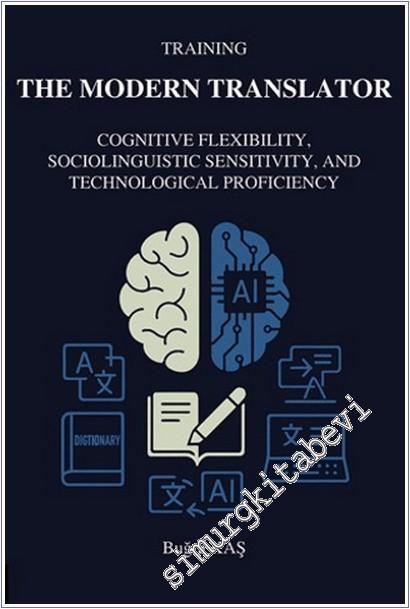
#smrgKİTABEVİ Training The Modern Translator : Cognitive Flexibility Sociolinguistic Sensitivity and Technological Proficiency - 2025
Editör:
Buğra Kaş
Kondisyon:
Yeni
Sunuş / Önsöz / Sonsöz / Giriş:
Basıldığı Matbaa:
Dizi Adı:
ISBN-10:
9786253756369
Hazırlayan:
Cilt:
Amerikan Cilt
Boyut:
16x24
Sayfa Sayısı:
158
Basım Yeri:
Ankara
Baskı:
1
Basım Tarihi:
2025
Kapak Türü:
Karton Kapak
Kağıt Türü:
Enso
Dili:
Türkçe
Kategori:
indirimli
337,50
Havale/EFT ile:
330,75
Siparişiniz 4&5 iş günü arasında kargoda
1199250990
637988
https://www.simurgkitabevi.com/training-the-modern-translator-cognitive-flexibility-sociolinguistic-sensitivity-and-technological-proficiency-2025
Training The Modern Translator : Cognitive Flexibility Sociolinguistic Sensitivity and Technological Proficiency - 2025 #smrgKİTABEVİ
337.5
In a world increasingly interconnected by technology, communication, and culture, the art and science of translation have never been more crucial. Translation transcends mere linguistic conversion; it is an intricate act of cultural negotiation, cognitive agility, and ethical responsibility. As the global demand for multilingual communication grows, so too does the need for translation training programs that are not only comprehensive but interdisciplinary in their foundations.
This book emerges from the recognition that traditional models of translator education must evolve. It seeks to bridge translation studies with cognitive science, sociolinguistics, and digital humanities - disciplines that together offer a more nuanced, technologically attuned, and culturally sensitive approach to training future translators. By drawing on insights from these fields, this work aims to deepen our understanding of the cognitive, cultural, and technological dimensions of translation, and to foster pedagogical innovation. Intended for translation students, educators, scholars, and practitioners alike, this volume offers both theoretical perspectives and practical applications. It is structured to move from foundational concepts to advanced interdisciplinary methodologies, with each chapter addressing a critical aspect of modern translation training. From cognitive processes and cultural competence to digital technologies and interdisciplinary curriculum design, the book offers a comprehensive roadmap for navigating the evolving landscape of translator education.
Ultimately, this book is a call to action: to reimagine translation training not as a static transfer of linguistic knowledge but as a dynamic, interdisciplinary endeavor that prepares translators to meet the challenges of a complex, globalized world. It is my hope that the ideas presented here will contribute meaningfully to ongoing conversations in the field and inspire new pathways for research, practice, and collaboration.
This book emerges from the recognition that traditional models of translator education must evolve. It seeks to bridge translation studies with cognitive science, sociolinguistics, and digital humanities - disciplines that together offer a more nuanced, technologically attuned, and culturally sensitive approach to training future translators. By drawing on insights from these fields, this work aims to deepen our understanding of the cognitive, cultural, and technological dimensions of translation, and to foster pedagogical innovation. Intended for translation students, educators, scholars, and practitioners alike, this volume offers both theoretical perspectives and practical applications. It is structured to move from foundational concepts to advanced interdisciplinary methodologies, with each chapter addressing a critical aspect of modern translation training. From cognitive processes and cultural competence to digital technologies and interdisciplinary curriculum design, the book offers a comprehensive roadmap for navigating the evolving landscape of translator education.
Ultimately, this book is a call to action: to reimagine translation training not as a static transfer of linguistic knowledge but as a dynamic, interdisciplinary endeavor that prepares translators to meet the challenges of a complex, globalized world. It is my hope that the ideas presented here will contribute meaningfully to ongoing conversations in the field and inspire new pathways for research, practice, and collaboration.
In a world increasingly interconnected by technology, communication, and culture, the art and science of translation have never been more crucial. Translation transcends mere linguistic conversion; it is an intricate act of cultural negotiation, cognitive agility, and ethical responsibility. As the global demand for multilingual communication grows, so too does the need for translation training programs that are not only comprehensive but interdisciplinary in their foundations.
This book emerges from the recognition that traditional models of translator education must evolve. It seeks to bridge translation studies with cognitive science, sociolinguistics, and digital humanities - disciplines that together offer a more nuanced, technologically attuned, and culturally sensitive approach to training future translators. By drawing on insights from these fields, this work aims to deepen our understanding of the cognitive, cultural, and technological dimensions of translation, and to foster pedagogical innovation. Intended for translation students, educators, scholars, and practitioners alike, this volume offers both theoretical perspectives and practical applications. It is structured to move from foundational concepts to advanced interdisciplinary methodologies, with each chapter addressing a critical aspect of modern translation training. From cognitive processes and cultural competence to digital technologies and interdisciplinary curriculum design, the book offers a comprehensive roadmap for navigating the evolving landscape of translator education.
Ultimately, this book is a call to action: to reimagine translation training not as a static transfer of linguistic knowledge but as a dynamic, interdisciplinary endeavor that prepares translators to meet the challenges of a complex, globalized world. It is my hope that the ideas presented here will contribute meaningfully to ongoing conversations in the field and inspire new pathways for research, practice, and collaboration.
This book emerges from the recognition that traditional models of translator education must evolve. It seeks to bridge translation studies with cognitive science, sociolinguistics, and digital humanities - disciplines that together offer a more nuanced, technologically attuned, and culturally sensitive approach to training future translators. By drawing on insights from these fields, this work aims to deepen our understanding of the cognitive, cultural, and technological dimensions of translation, and to foster pedagogical innovation. Intended for translation students, educators, scholars, and practitioners alike, this volume offers both theoretical perspectives and practical applications. It is structured to move from foundational concepts to advanced interdisciplinary methodologies, with each chapter addressing a critical aspect of modern translation training. From cognitive processes and cultural competence to digital technologies and interdisciplinary curriculum design, the book offers a comprehensive roadmap for navigating the evolving landscape of translator education.
Ultimately, this book is a call to action: to reimagine translation training not as a static transfer of linguistic knowledge but as a dynamic, interdisciplinary endeavor that prepares translators to meet the challenges of a complex, globalized world. It is my hope that the ideas presented here will contribute meaningfully to ongoing conversations in the field and inspire new pathways for research, practice, and collaboration.
Yorum yaz
Bu kitabı henüz kimse eleştirmemiş.