#smrgKİTABEVİ Özalist Diplomacy : Turkish Foreign Policy in the Years of Transition - 2026
Editör:
Kondisyon:
Yeni
Sunuş / Önsöz / Sonsöz / Giriş:
Basıldığı Matbaa:
Dizi Adı:
ISBN-10:
9786253968175
Hazırlayan:
Cilt:
Amerikan Cilt
Boyut:
14x22
Sayfa Sayısı:
240
Basım Yeri:
Konya
Baskı:
1
Basım Tarihi:
2026
Kapak Türü:
Karton Kapak
Kağıt Türü:
Enso
Dili:
Türkçe
Kategori:
indirimli
238,00
Havale/EFT ile:
233,24
Temin süresi 4&6 gündür.
1199257091
644707
https://www.simurgkitabevi.com/ozalist-diplomacy-turkish-foreign-policy-in-the-years-of-transition-2026
Özalist Diplomacy : Turkish Foreign Policy in the Years of Transition - 2026 #smrgKİTABEVİ
238
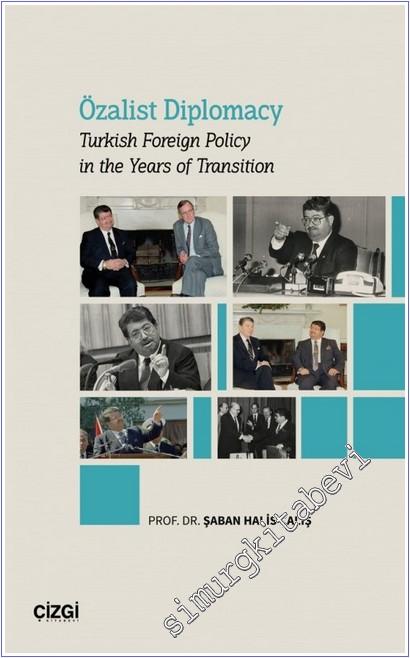
Turgut Özal is one of the most influential, as much as controversial, leaders of the recent Turkish politics. He first appeared to be a leading figure in bureaucratic circles in the 1960s as the head of the State Planning Organisation and then as the Undersecretary of Prime Ministry at the beginning of the 1980s. When he was in the later capacity, he succeeded in restructuring of Turkish economy, which later on became famous as the 24 October decisions. He was probably among the first leaders who recognized globality as new development and the importance of the end of the Cold War. Even before the Cold War ended, there are enough signs in his policies that he anticipated it. Certainly he was a world class leader and the man of vision, trying to lead Türkiye not only in the twentieth century but also in the very century we are witnessing now.
However, his influence even in making Türkiye a global actor is denied by a historical block consisting of Türkiye's Kemalist establishment. Academic circles and political elites did not accept him as he was. Some liked him very much and even exalted him to the point of a saint a lot without any critics, some hated him at most and criticised his every action in details. There were few people speaking of his leadership occasionally, but all they did pay a lip service only. None has so far provided hardly anything serious related to his ideas, policies and visions, beyond going off love and hate dichotomy.
However, his influence even in making Türkiye a global actor is denied by a historical block consisting of Türkiye's Kemalist establishment. Academic circles and political elites did not accept him as he was. Some liked him very much and even exalted him to the point of a saint a lot without any critics, some hated him at most and criticised his every action in details. There were few people speaking of his leadership occasionally, but all they did pay a lip service only. None has so far provided hardly anything serious related to his ideas, policies and visions, beyond going off love and hate dichotomy.
Turgut Özal is one of the most influential, as much as controversial, leaders of the recent Turkish politics. He first appeared to be a leading figure in bureaucratic circles in the 1960s as the head of the State Planning Organisation and then as the Undersecretary of Prime Ministry at the beginning of the 1980s. When he was in the later capacity, he succeeded in restructuring of Turkish economy, which later on became famous as the 24 October decisions. He was probably among the first leaders who recognized globality as new development and the importance of the end of the Cold War. Even before the Cold War ended, there are enough signs in his policies that he anticipated it. Certainly he was a world class leader and the man of vision, trying to lead Türkiye not only in the twentieth century but also in the very century we are witnessing now.
However, his influence even in making Türkiye a global actor is denied by a historical block consisting of Türkiye's Kemalist establishment. Academic circles and political elites did not accept him as he was. Some liked him very much and even exalted him to the point of a saint a lot without any critics, some hated him at most and criticised his every action in details. There were few people speaking of his leadership occasionally, but all they did pay a lip service only. None has so far provided hardly anything serious related to his ideas, policies and visions, beyond going off love and hate dichotomy.
However, his influence even in making Türkiye a global actor is denied by a historical block consisting of Türkiye's Kemalist establishment. Academic circles and political elites did not accept him as he was. Some liked him very much and even exalted him to the point of a saint a lot without any critics, some hated him at most and criticised his every action in details. There were few people speaking of his leadership occasionally, but all they did pay a lip service only. None has so far provided hardly anything serious related to his ideas, policies and visions, beyond going off love and hate dichotomy.
Yorum yaz
Bu kitabı henüz kimse eleştirmemiş.